
Evolution of Internet Censorship Circumvention Tools: Shadowsocks, V2Ray, XRay, and Their Protocols VMess, VLESS, XTLS

History and Origins of Strict Internet Traffic Regulation
In the digital tapestry of progress, the threads of strict internet traffic regulation are woven with the lessons of history, guiding us towards a secure and balanced connectivity future
In the dawn of the 21st century, the internet was heralded as a boundless digital frontier, promising unfettered access to information and unparalleled opportunities for global connectivity. However, as we venture further into this century, a contrasting trend is emerging, marked by increasing national control over internet access and content. This phenomenon, often framed as a clash between the ideals of a free internet and national security or cultural preservation concerns, is reshaping the landscape of digital information and communication across the globe.
A growing number of countries are implementing stringent measures to monitor and regulate internet traffic within their borders. This trend reflects a shift towards digital sovereignty, where governments exert more control over online content and data flows. These measures range from moderate oversight to extensive censorship and surveillance, affecting how citizens interact with the digital world.
China and North Korea
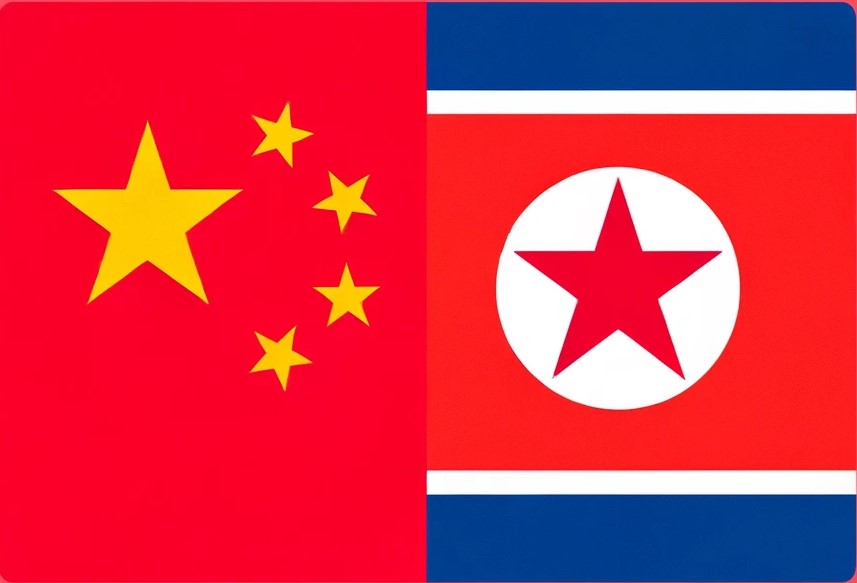
Countries like China and North Korea represent the more extreme end of this spectrum. China’s ‘Great Firewall’ is notorious for its comprehensive control over internet access, filtering content and blocking websites that are deemed inappropriate or threatening to the state’s ideology and security. North Korea, on the other hand, offers a stark example of total internet isolation, with access severely restricted and monitored.
Russia

Russia has also intensified its internet control, particularly in response to political dissent and social unrest. The government has implemented sophisticated systems to filter content, monitor citizen’s online activities, and restrict access to certain websites.
Iran and Saudi Arabia
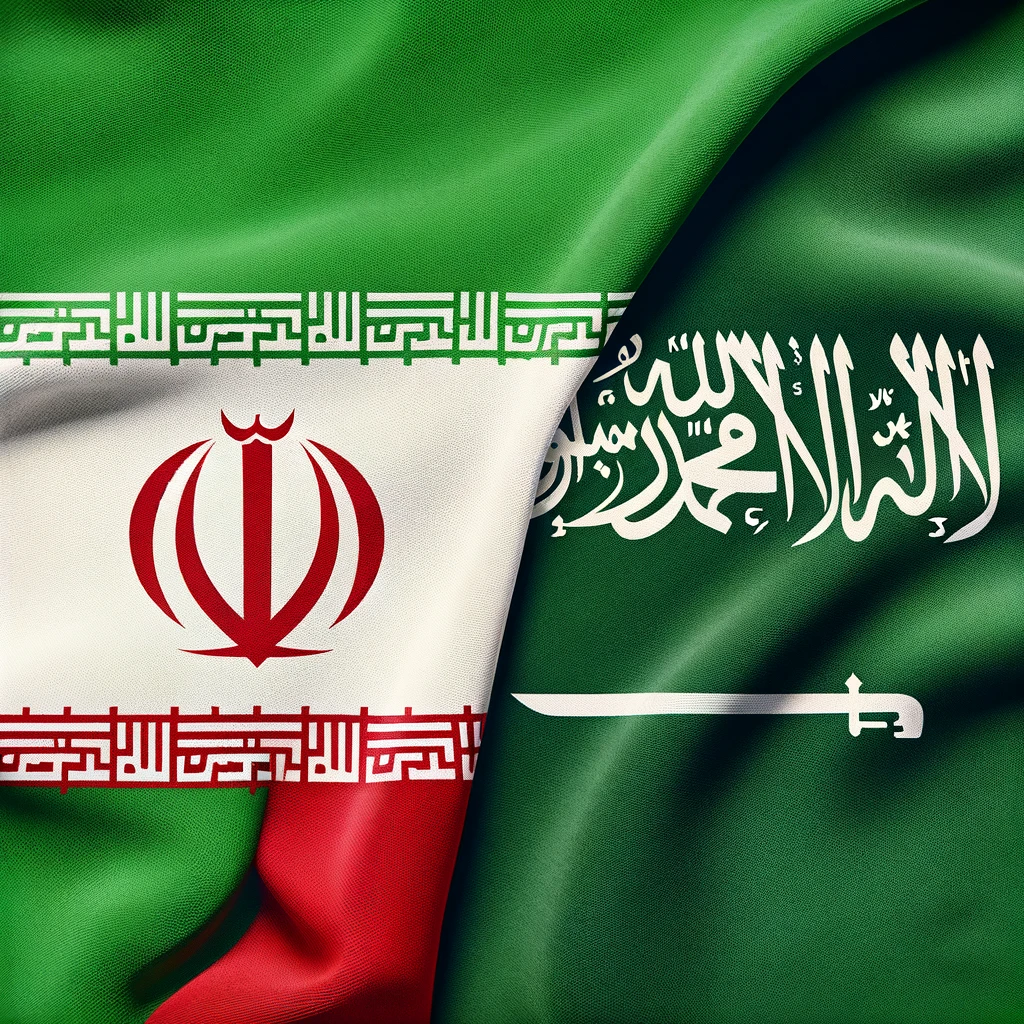
Iran and Saudi Arabia are other notable examples, where internet regulation is tightly linked to religious and moral codes. These countries have stringent controls on content that conflicts with Islamic teachings or is perceived as morally corruptive.
Turkey

In Turkey, government control over the internet has been on the rise, particularly in periods of political instability or around elections. Social media platforms and news outlets frequently face blocks and restrictions.
This trend towards increased internet control is not confined to authoritarian regimes. Democratic nations, too, are grappling with the balance between maintaining an open internet and protecting national security and social order. For instance, countries like the United Kingdom and Australia have passed laws that increase surveillance capabilities and require tech companies to provide access to encrypted communications in certain circumstances.
Digital Evolution: Global Challenges in Regulating the Internet
The global move towards more regulated internet environments raises critical questions about the future of internet freedom, privacy, and accessibility. As governments worldwide continue to navigate these complex issues, the debate over internet control remains a pivotal concern for the international community and individual citizens alike. This article aims to explore these developments in depth, examining the motivations, methods, and implications of increasing state control over the internet.
As we observe the global trend towards increased government control over internet access and content, with countries like China, North Korea, Russia, Iran, and others implementing stringent measures to monitor and regulate online activities, it becomes crucial to examine the countermeasures that have emerged in response. This leads us to a pivotal aspect of the digital resistance: the development and utilization of sophisticated tools like Shadowsocks, V2Ray, and XRay. These protocols are more than mere technological innovations; they are beacons of hope in the pursuit of a free and open internet. In the following section, we will delve into how these tools are revolutionizing the fight against internet censorship, highlighting the advanced technologies that underpin their effectiveness and the broader implications for internet freedom worldwide.
Shadowsocks – Innovation in Circumvention

Despite its humble origins, Shadowsocks has become a vital tool in the arsenal of activists and journalists worldwide. Its main advantage lies in its ability to disguise traffic as regular HTTPS requests, making it almost invisible to censors. This technology, known as “obfuscation,” has become key for many subsequent censorship circumvention tools.
V2Ray – Multi-Functional Censorship Fighter

V2Ray represents a step forward in the fight for a free internet, offering a much more complex and multi-layered architecture than Shadowsocks. Its modularity allows users to configure their own proxy servers, making it an ideal tool for overcoming even the most sophisticated forms of censorship. Particularly important is the VMess protocol, which provides an additional level of security through advanced encryption and authentication.
XRay – Advancing the Development
XRay, although a fork of V2Ray, represents a new stage in the development of censorship circumvention tools. It not only improves upon the existing features of V2Ray but also introduces its own innovations such as enhanced performance and stability. XRay has become a popular choice among users who require a reliable and high-performance tool for circumventing censorship.
Protocols in Detail: VMess, VLESS, XTLS
VMess: Foundation for Anonymity and Flexibility
VMess is a key component of V2Ray and is a protocol designed with an emphasis on security and anonymity. It employs complex encryption and dynamic session IDs, providing a high degree of protection against traffic tracking and analysis. This makes it an ideal solution for overcoming network censorship and blocks, especially in countries with active internet surveillance.
VLESS: Simplification and Efficiency
VLESS is a newer protocol designed to simplify and enhance efficiency. Unlike VMess, VLESS does not use complex authentication mechanisms, making it lighter and faster. This protocol is ideal for scenarios where speed is a priority and has already proven its effectiveness in bypassing Deep Packet Inspection (DPI) systems used by many regimes for internet censorship.
XTLS: Revolution in Security and Performance
XTLS is an evolution of the TLS (Transport Layer Security) protocol, offering improved performance and security. It is capable of handling encrypted traffic even more efficiently, providing increased data transmission speed and low latency. An important feature of XTLS is its ability to disguise traffic as regular HTTPS connections, making it nearly impossible to detect even by the most advanced monitoring systems.
Deep Dive into Protocols: Comparative Analysis of Internet Standards
VMess – excels in security and anonymity due to its complex encryption and periodic session ID changes but may be slightly slower compared to other protocols.
VLESS – stands out for its simplicity and speed, making it an ideal choice for users who require fast and efficient connections.
XTLS – provides the optimal combination of security and performance, particularly useful for users facing advanced blocking and censorship methods.
Protocols VMess, VLESS, and XTLS offer various methods of encryption and traffic obfuscation, making them highly effective for bypassing blocks and filters imposed by governments and internet service providers. These protocols provide a high level of security and user data privacy, enabling users to circumvent censorship and freely communicate online.
On the other hand, tools like Shadowsocks, V2Ray, and XRay are not just technical solutions but also symbols of the fight for freedom of information in the digital world. They not only help users bypass censorship but also impact the political landscape, journalism, and human rights. Their dissemination and use support openness and accessibility on the internet in a world where censorship and surveillance technologies are constantly evolving.
Thus, understanding and utilizing these tools and protocols becomes essential for those striving to preserve freedom of speech and internet accessibility in a world where digital censorship is becoming increasingly prevalent. They provide the opportunity not only to bypass blocks but also to support free exchange of information and opinions in the online environment, opening doors to more efficient and secure internet usage.
Protocols like VMess, VLESS, and XTLS ensure secure communication by evading government and ISP restrictions. Tools such as Shadowsocks, V2Ray, and XRay go beyond technical solutions, symbolizing the fight for information freedom. These protocols and tools are essential for preserving freedom of speech and internet accessibility, enabling a secure and efficient online experience.